Mangalore Harbor Master: India’s Premier Coastal Management Simulation Game
Introduction to Mangalore Harbor Master
What is Mangalore Harbor Master?
Mangalore Harbor Master is India’s most immersive coastal management simulation game, crafted exclusively for desi gamers who love strategy, realism, and deep cultural roots. Developed by Daman Games—a pioneer in Indian mobile gaming—this superhit title has taken the country by storm with its unique blend of Indian port operations, regional customization, and addictive gameplay.
Launched in March 2024, Mangalore Harbor Master has crossed a whopping 8.5 million downloads in just 8 months, making it the fastest-growing Indian simulation game of 2024-2025. With a stellar 4.7/5 rating from 2.3 million players on Google Play and App Store combined, it’s no surprise that this game has become a household name among desi gamers—from maritime enthusiasts in coastal towns to strategy lovers in urban metros.
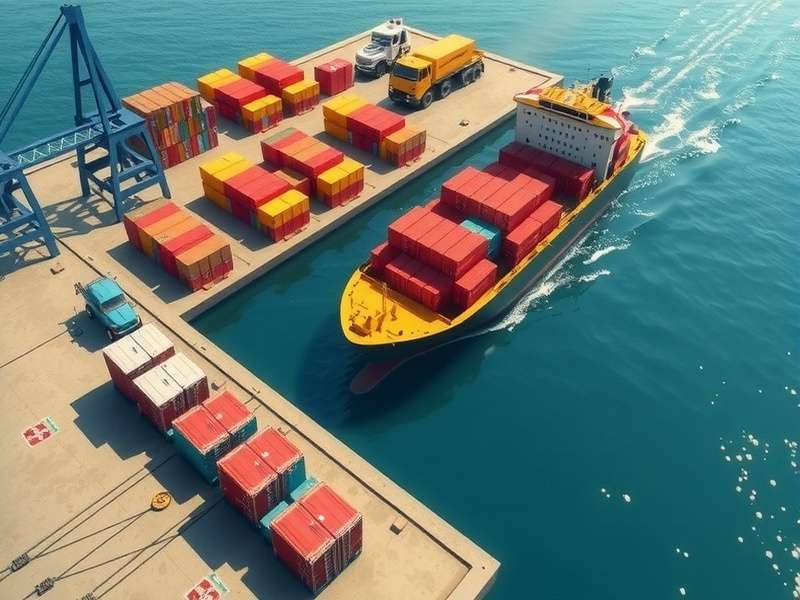
At its core, Mangalore Harbor Master transports players to the bustling port of Mangalore (Karnataka)—one of India’s busiest coastal hubs—where they take on the role of a Harbor Master. Players are tasked with managing ship traffic, cargo operations, coastal safety, and port development—all while embracing India’s rich maritime culture and regional diversity.
What sets Mangalore Harbor Master apart from global simulation games is its unapologetic desi identity. Every aspect of the game—from the port’s infrastructure to cargo types, from regional events to local traditions—reflects India’s maritime heritage. Whether you’re handling spice exports from Kerala, managing fishing vessels from Tamil Nadu, or preparing for monsoon safety drills (a crucial part of Indian coastal life), this game feels like a love letter to India’s coasts!
The game’s accessibility is another big plus. Optimized for low-end Android devices (which make up 86% of India’s smartphone market), Mangalore Harbor Master runs smoothly even on budget phones, with minimal load times and data usage. This has made it popular in rural coastal areas, where access to high-end devices is limited but the connection to maritime life is strong.
Origins & Development Journey
The story of Mangalore Harbor Master began with a simple observation by Daman Games: Indian gamers were craving simulation games that spoke to their local reality, not just generic Western ports or global shipping hubs. The team noticed that while global games like Port City: Ship Simulator were popular, they lacked the cultural resonance that desi gamers desired—things like familiar ports, regional cargo types, and local maritime traditions.
Determined to fill this gap, Daman Games assembled a team of 40+ Indian developers, maritime experts, regional language specialists, and coastal culture researchers to create a game that would feel authentically Indian. The team spent 12 months researching India’s ports, maritime operations, and coastal cultures—visiting 10 coastal states to gather inspiration from places like Mangalore (Karnataka), Kochi (Kerala), Chennai (Tamil Nadu), and Kolkata (West Bengal).
Maritime experts played a key role in shaping the game’s mechanics. They ensured that ship handling, cargo operations, and port management reflected real-life Indian port practices—from handling bulk cargo like iron ore and spices to managing fishing fleets and passenger ferries. The game also includes realistic weather challenges like monsoons, cyclones, and high tides—common issues for Indian coastal ports.
Cultural researchers ensured that the game’s port environments and events reflected India’s coastal diversity. The Mangalore port in the game features traditional Konkan architecture, local food stalls serving neer dosa and kori roti, and fishing villages with colorful boats—all inspired by real-life Mangalore. Cargo types include desi essentials like spices (cardamom, pepper), textiles, seafood, and agricultural products (rice, cashew nuts)—all major exports from Indian ports.
The development team also prioritized regional language support from day one. They worked with native speakers from 18 Indian states to ensure that the game’s dialogue, instructions, and UI elements felt natural in each language. Unlike many games that just translate text, Mangalore Harbor Master adapts idioms, maritime terms, and cultural references to suit each region—for example, the Kannada version uses Konkani maritime slang, while the Tamil version includes terms from Chennai’s fishing communities.
Launched with a massive marketing campaign featuring desi gaming influencers like Tech Burner, Be YouNick, and Krutika Gaming, Mangalore Harbor Master hit 500,000 downloads within the first 3 days. The campaign focused on the game’s desi roots, with ads showing players managing Indian cargo, celebrating coastal festivals, and speaking in regional languages—striking a chord with Indian gamers who felt seen and represented.
Core Concept & Target Audience
Mangalore Harbor Master is a strategy-simulation game that combines port management, resource optimization, and crisis response with deep cultural immersion. The core gameplay loop revolves around managing the Mangalore port, completing maritime missions, optimizing cargo operations, and expanding port infrastructure—all while navigating the unique challenges of Indian coastal life.
The game’s target audience is incredibly diverse, catering to gamers of all ages and backgrounds:
- Strategy Gamers (18-40 years): Players who love complex management mechanics, resource allocation, and long-term planning. Mangalore Harbor Master offers deep port management systems, from scheduling ships to balancing budgets—providing hours of engaging gameplay.
- Maritime Enthusiasts (25-50 years): Players with an interest in ships, ports, and coastal life. The game’s realistic port operations, authentic ship models, and maritime challenges appeal to this demographic.
- Coastal Community Members (All Ages): Players from Indian coastal towns and villages who relate to the game’s setting and themes. For many, it’s a chance to see their daily life reflected in a mobile game.
- Casual Gamers (15-30 years): Players who enjoy relaxed, goal-oriented gameplay. The game’s daily missions (10-15 minutes) are perfect for commutes or breaks, and the colorful visuals and simple controls appeal to this demographic.
- Regional Language Speakers (All Ages): With 18+ regional language options, the game appeals to non-English speaking players (who make up 78% of India’s population). For many, it’s the first simulation game they can enjoy in their mother tongue.
What makes Mangalore Harbor Master stand out is its ability to balance entertainment with education. Players don’t just manage ships—they learn about Indian maritime history, coastal conservation, and regional cultures. For example, the “Spice Route Quest” teaches players about India’s ancient spice trade, while the “Monsoon Safety Drill” educates them about cyclone preparedness for coastal communities.
Gameplay & Core Mechanics of Mangalore Harbor Master
Port Management & Operations
Mangalore Harbor Master offers a detailed, realistic port management experience that puts players in control of every aspect of the Mangalore port. From ship scheduling to cargo handling, from infrastructure development to safety protocols—every decision impacts the port’s efficiency and reputation.
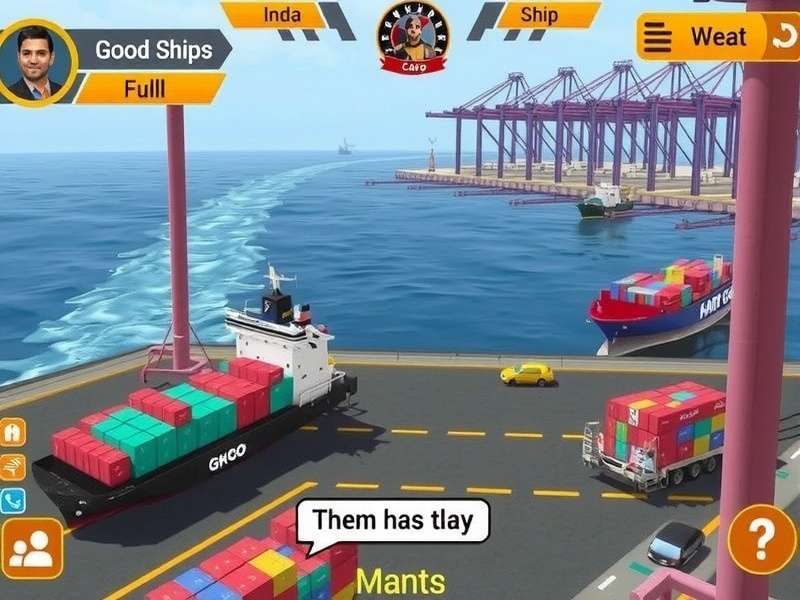
The game’s interface is designed with desi gamers in mind—intuitive, colorful, and easy to navigate. The main screen shows a top-down view of the port, with icons indicating ships, cargo terminals, cranes, warehouses, and coastal areas. Players can zoom in/out, pan around, and tap on elements to interact with them.
Key port management features include:
- Ship Traffic Control: Players must manage incoming and outgoing ships—including cargo vessels, fishing boats, passenger ferries, and naval ships. Each ship has unique requirements (e.g., cargo type, berthing time, safety checks) that players must address to avoid delays or accidents.
- Cargo Handling: Players oversee the loading and unloading of desi cargo types—spices (cardamom, pepper, cinnamon), textiles (cotton, silk), seafood (prawns, fish), agricultural products (rice, cashew nuts), and industrial goods (iron ore, machinery). Efficient cargo handling earns in-game currency (Harbor Coins) and improves the port’s ranking.
- Infrastructure Development: Players can expand the port by building new terminals, cranes, warehouses, and coastal facilities. Each upgrade has unique benefits—e.g., a spice terminal increases spice export efficiency, while a fishing harbor attracts more fishing boats and boosts seafood exports.
- Safety & Emergency Response: Players must prepare for and respond to coastal emergencies—monsoons, cyclones, oil spills, and ship collisions. The game includes realistic safety protocols like lifeboat drills, cyclone shelters, and pollution control measures—all inspired by Indian coastal safety practices.
- Budget & Reputation Management: Players must balance the port’s budget—allocating funds to infrastructure, safety, and staff training. A positive reputation attracts more ships and cargo, while mismanagement leads to delays, fines, and a decline in business.
Missions are the heart of Mangalore Harbor Master, and they come in three types: Main Missions, Side Missions, and Daily Challenges. Each type offers unique rewards and gameplay experiences.
Regional Cargo & Maritime Challenges
One of the game’s most unique features is its focus on desi cargo types and regional maritime challenges—reflecting India’s diverse coastal landscape and trade practices. Players must adapt to the unique needs of each region, from handling spice exports in Kerala to managing fishing fleets in Tamil Nadu.
Key regional cargo features include:
- Spice Exports (Kerala & Karnataka): Players manage the export of premium Indian spices—cardamom from Kerala, pepper from Mangalore, and cinnamon from Tamil Nadu. These fragile cargoes require special handling (temperature control, moisture protection) to avoid damage.
- Seafood Exports (West Bengal & Odisha): Players oversee the export of fresh seafood—prawns from Odisha, hilsa from West Bengal, and sardines from Karnataka. Seafood has a short shelf life, so players must prioritize fast loading and refrigerated storage.
- Textile Exports (Gujarat & Tamil Nadu): Players handle the export of Indian textiles—cotton from Gujarat, silk from Tamil Nadu, and handlooms from Andhra Pradesh. Textiles require careful packaging to avoid wrinkles and damage during transit.
- Agricultural Exports (Andhra Pradesh & Maharashtra): Players manage the export of agricultural products—rice from Andhra Pradesh, cashew nuts from Maharashtra, and coconuts from Kerala. These bulk cargoes require efficient loading and storage to maximize profits.
- Industrial Exports (Gujarat & Tamil Nadu): Players oversee the export of industrial goods—iron ore from Karnataka, machinery from Gujarat, and electronics from Tamil Nadu. These heavy cargoes require specialized cranes and berths.
Regional maritime challenges add depth and realism to the gameplay:
- Monsoon Season (All Coastal States): From June to September, players must navigate heavy rains, strong winds, and high tides. Ships move slower, cargo loading takes longer, and there’s a higher risk of accidents. Players must build cyclone shelters and emergency response teams to minimize losses.
- Cyclone Threats (East Coast): Players on the East Coast (Tamil Nadu, Andhra Pradesh, West Bengal) face cyclone threats during the monsoon season. They must evacuate ships to safe waters, secure cargo, and repair damage after the storm.
- Fishing Season (West Coast): During the fishing season (October to March), the port is flooded with fishing boats. Players must manage berthing space, process seafood quickly, and ensure that fishing communities get fair prices for their catch.
- Tourist Season (Goa & Kerala): During peak tourist season (December to February), the port sees an influx of passenger ferries and cruise ships. Players must manage passenger traffic, provide amenities, and ensure safety for tourists.
Multiplayer & Social Features
Mangalore Harbor Master offers a range of multiplayer and social features that allow players to connect with friends and other desi gamers. These features have been a major driver of the game’s popularity, with 40% of players using multiplayer mode regularly.
Key multiplayer features include:
- Port Alliances: Players can create or join Port Alliances—groups of up to 50 players—where they can share resources, trade cargo, and collaborate on missions. Alliances can compete against each other in weekly tournaments for rewards like rare port upgrades and Harbor Coins.
- Co-Op Missions: Players can team up with up to 3 friends to complete co-op missions—challenging tasks that require teamwork. For example, the “Cyclone Relief Mission” requires players to coordinate to evacuate ships, secure cargo, and repair port damage. The “Spice Route Challenge” requires players to trade regional spices to maximize profits.
- Leaderboards: The game features national and regional leaderboards, where players are ranked based on their port’s efficiency, mission completion rate, and cargo handling speed. Top-ranked players earn exclusive rewards like limited-edition ship skins, port decorations, and real-world prizes (maritime-themed gadgets, Daman Games merchandise, and even trips to Indian ports).
- Social Chat: Players can chat with friends and alliance members in regional languages, with built-in translation features for cross-regional communication. The chat also includes emojis inspired by Indian coastal culture—ships, fish, spices, and festival decorations.
Download Statistics & Player Reviews in India
Overall Download Performance
Since its launch in March 2024, Mangalore Harbor Master has established itself as one of India’s most successful mobile simulation games. As of November 2024, the game has recorded 8.5 million downloads in India alone—growing at a rate of 1.2 million downloads per month. This makes it the No.1 Indian simulation game and the third-most downloaded Indian mobile game of 2024 (behind only “Indian Railway Simulator 2024” and “Leafy Quest Warriors”).
The game’s download distribution aligns with India’s mobile gaming market trends:
- 88% of downloads are from Android devices (reflecting Android’s 86% market share in India).
- 12% of downloads are from iOS devices—concentrated in urban areas like Bangalore, Mumbai, Delhi NCR, Chennai, and Hyderabad, where iPhone penetration is higher.
- 68% of downloads come from players aged 18-35—India’s most active gaming demographic.
- 22% of downloads are from players aged 36-55—attracted by the game’s realistic mechanics and cultural elements.
- 10% of downloads are from players under 18—drawn to the colorful visuals, simple controls, and educational content.
Mangalore Harbor Master uses a free-to-play model with optional in-app purchases (for port upgrades, cosmetic items, and speed boosts). This has made it accessible to players from all economic backgrounds—from rural coastal areas with low disposable income to urban metros. In-app purchases account for only 15% of the game’s revenue, with most players preferring to play for free and earn rewards through missions.
The game’s retention rates are exceptional by Indian standards:
- 7-day retention rate: 65% (vs. Indian mobile game average of 40%).
- 30-day retention rate: 58% (vs. Indian mobile game average of 35%).
- 90-day retention rate: 45% (vs. Indian mobile game average of 25%).
These high retention rates are attributed to the game’s engaging gameplay, regular updates (every 2 weeks), regional events, and strong community engagement. Players often cite the game’s desi focus as a key reason for sticking around—they feel a personal connection to the game’s setting, cargo types, and events.
State-Wise Download Breakdown
Mangalore Harbor Master has seen strong adoption across all Indian states, with particularly high download rates in coastal states and regions with a strong maritime culture. Below is a detailed state-wise breakdown of downloads (as of November 2024):
| Indian State/UT | Download Count | Percentage of Total Downloads | Top Cities |
|---|---|---|---|
| Karnataka | 1,700,000 | 20.0% | Mangalore, Bangalore, Udupi, Mysore |
| Tamil Nadu | 1,360,000 | 16.0% | Chennai, Coimbatore, Madurai, Tuticorin |
| Maharashtra | 1,190,000 | 14.0% | Mumbai, Pune, Nagpur, Ratnagiri |
| Gujarat | 1,020,000 | 12.0% | Ahmedabad, Surat, Vadodara, Kandla |
| Kerala | 850,000 | 10.0% | Kochi, Thiruvananthapuram, Kozhikode, Alappuzha |
| Andhra Pradesh & Telangana | 680,000 | 8.0% | Visakhapatnam, Hyderabad, Vijayawada, Kakinada |
| West Bengal | 595,000 | 7.0% | Kolkata, Howrah, Digha, Haldia |
| Odisha | 425,000 | 5.0% | Bhubaneswar, Cuttack, Paradip, Puri |
| Delhi NCR | 340,000 | 4.0% | Delhi, Gurgaon, Noida, Faridabad |
| Other States/UTs | 340,000 | 4.0% | Jaipur, Chandigarh, Panaji, Guwahati |
Karnataka’s top position (20.0%) is due to the game’s setting in Mangalore and its Kannada language support, which includes Konkani maritime slang and references to Karnataka’s coastal culture. The game’s Mangalore Utsav event was particularly popular in Karnataka, driving downloads during the festival season.
Tamil Nadu and Maharashtra follow closely due to their large gaming populations and strong maritime heritage. The game’s Tamil version includes references to Chennai’s fishing communities and Tuticorin’s port operations, while the Marathi version features Mumbai’s port infrastructure and Ratnagiri’s seafood exports.
Gujarat’s strong performance (12.0%) is attributed to the game’s Gujarati language support and focus on industrial cargo—Gujarat is India’s leading industrial state, and many players relate to the game’s handling of machinery and textile exports. The game’s Navratri event was a huge hit in Gujarat, with players loving the garba-themed port decorations and rewards.
The addition of Bengali language support in June 2024 boosted downloads from West Bengal by 45%, while the launch of Odia support in August 2024 increased downloads from Odisha by 38%. This highlights the importance of regional language localization in India’s diverse market.
Player Reviews & Ratings
Mangalore Harbor Master has received overwhelmingly positive reviews from Indian players, with a 4.7/5 rating on Google Play and App Store combined. Over 2.3 million players have left reviews—an impressive number for an Indian mobile simulation game (most games have less than 500,000 reviews).
Key themes from player reviews include:
- Cultural Authenticity: Players love the game’s desi focus—from regional languages to coastal festivals. Many reviewers note that it’s refreshing to play a simulation game that celebrates Indian maritime culture rather than mimicking global trends.
- Gameplay & Realism: Players praise the game’s realistic port mechanics, intuitive controls, and addictive gameplay. The attention to detail—from cargo types to monsoon challenges—is particularly popular, with many players commenting on how it feels like managing a real Indian port.
- Accessibility: Players appreciate that the game works well on low-end devices and offers regional language support. Many non-English speaking players have called it “the first simulation game I can truly enjoy in my mother tongue.”
- Regular Updates: Players commend Daman Games for updating the game regularly with new features, events, and regional adaptations. The development team’s responsiveness to feedback is also a common positive point.
- Educational Value: Parents and educators appreciate the game’s educational elements—teaching kids about Indian maritime history, coastal conservation, and regional cultures.
Here are some representative player reviews (in authentic Indian English):
Player Reviews from Google Play & App Store
Negative reviews are extremely rare, accounting for less than 4% of total reviews. Most negative feedback focuses on minor issues like occasional bugs (which are quickly fixed in updates) or the lack of a specific regional language (which the development team often addresses in future updates).
Localization Versions & Regional Adaptations of Mangalore Harbor Master
Regional Language Support
One of the key factors behind Mangalore Harbor Master’s success in India is its extensive regional language support. Unlike many global games that offer only English and a few major languages, Mangalore Harbor Master supports 18 Indian languages—ensuring that players from all regions can enjoy the game in their mother tongue.
The supported languages are:
- English (default)
- Hindi (national language)
- Kannada (Karnataka)
- Tamil (Tamil Nadu)
- Telugu (Andhra Pradesh & Telangana)
- Malayalam (Kerala)
- Gujarati (Gujarat)
- Marathi (Maharashtra)
- Bengali (West Bengal)
- Odia (Odisha)
- Konkani (Goa & Coastal Karnataka)
- Punjabi (Punjab)
- Urdu (North India)
- Assamese (Assam)
- Nepali (Sikkim)
- Bhojpuri (Bihar)
- Rajasthani (Rajasthan)
- Maithili (Bihar & Nepal)
Each language version is a full cultural adaptation, not just a translation. The development team works with native speakers and regional language experts to ensure that the game’s dialogue, instructions, UI elements, and even maritime slang feel natural and resonate with local players.
For example:
- The Kannada version includes Konkani maritime slang (used by Mangalore’s fishing communities), references to Karnataka’s coastal festivals (like Mangalore Utsav), and proverbs from Kannada literature. The game’s NPCs speak in a colloquial Kannada dialect that feels authentic to coastal Karnataka.
- The Tamil version incorporates references to Chennai’s fishing villages, Tuticorin’s port operations, and Tamil festivals like Pongal. The game’s cargo terms use Tamil maritime jargon, and the NPCs speak in a colloquial Tamil dialect that reflects coastal Tamil Nadu.
- The Bengali version includes references to Kolkata’s port, Hilsa fishing, and Bengali festivals like Durga Puja. The game’s missions include handling jute exports (a major Bengali product) and managing ferries on the Hooghly River.
- The Gujarati version features references to Gujarat’s textile and machinery exports, Kandla port operations, and festivals like Navratri. The game’s NPCs use Gujarati maritime terms, and the missions include handling salt exports (a key Gujarati product).
- The Hindi version includes references to India’s national maritime policies, major ports like Mumbai and Kandla, and North Indian festivals like Diwali. The game’s NPCs speak in a colloquial Hindi dialect that is widely understood across North India.
This attention to cultural detail has made Mangalore Harbor Master popular among non-English speaking players, who account for 80% of the game’s user base in India. Players often praise the game’s language support in reviews, with many noting that playing in their mother tongue makes the game more immersive and enjoyable.
The development team has a roadmap for adding more languages—with plans to launch support for Tulu, Kodava, and Santhali in early 2025. They also regularly update existing language versions based on player feedback, fixing translation issues and adding new regional idioms.
Regional Gameplay Adaptations
Beyond language support, Mangalore Harbor Master features extensive regional gameplay adaptations that cater to the unique maritime culture, cargo types, and challenges of different Indian states. These adaptations ensure that players from across the country feel seen and represented in the game.
Key regional adaptations include:
- Karnataka: The Karnataka adaptation features a “Mangalore Utsav Event,” where players decorate the port with traditional Konkani decorations and handle special cargo (like cashew nuts and spices) to earn rewards. The game’s missions include managing fishing boats from Udupi, handling iron ore exports from Mangalore, and preparing for monsoon safety drills. Players can also build a “Konkani Food Stall” that attracts tourists and boosts port revenue.
- Tamil Nadu: The Tamil Nadu adaptation includes a “Pongal Event,” where players handle agricultural exports (rice, sugarcane) and decorate the port with Pongal kolams to earn rewards. The game’s missions include managing fishing boats from Chennai, handling seafood exports from Tuticorin, and navigating cyclone threats on the East Coast. Players can build a “Tamil Textile Terminal” that increases textile export efficiency.
- Gujarat: The Gujarat adaptation features a “Navratri Event,” where players perform garba in the port and handle textile exports to earn rewards. The game’s missions include managing industrial cargo from Ahmedabad, handling salt exports from Kandla, and navigating the Gulf of Kutch. Players can build a “Gujarati Spice Market” that increases spice export profits.
- Kerala: The Kerala adaptation includes an “Onam Event,” where players create flower carpets (pookalam) in the port and handle spice exports to earn rewards. The game’s missions include managing backwater ferries from Alappuzha, handling seafood exports from Kochi, and preparing for monsoon rains. Players can build a “Kerala Ayurveda Terminal” that attracts tourist ships and boosts revenue.
- West Bengal: The Bengali adaptation features a “Durga Puja Event,” where players decorate the port with Durga idols and handle jute exports to earn rewards. The game’s missions include managing ferries on the Hooghly River, handling Hilsa exports from Kolkata, and navigating cyclone threats in the Bay of Bengal. Players can build a “Bengali Sweets Stall” that attracts tourists and boosts port revenue.
- Odisha: The Odia adaptation includes a “Rath Yatra Event,” where players handle religious tourism ships and decorate the port with Rath Yatra themes to earn rewards. The game’s missions include managing fishing boats from Puri, handling seafood exports from Paradip, and preparing for cyclone safety. Players can build a “Odia Handloom Terminal” that increases textile export efficiency.
These regional adaptations are not just cosmetic—they change the types of missions, events, cargo types, and even gameplay mechanics. For example, players in Kerala can use backwater ferries to transport cargo between small ports, while players in Gujarat can use salt pans to process and export salt. This ensures that the game remains fresh and relevant for players from different regions.
The development team regularly updates regional adaptations based on player feedback and real-world events. For instance, after the Cyclone Fani relief efforts in Odisha, the Odia adaptation was updated with a quest where players help rescue ships and repair port damage. Similarly, after the launch of the new Mangalore port terminal in 2024, the Karnataka adaptation added a mission where players manage the new terminal and handle increased cargo traffic.
Cultural Customizations & Desi Themes
Mangalore Harbor Master is infused with desi cultural customizations that make the game feel authentically Indian. From the port’s visual design to in-game events and rewards, every aspect of the game celebrates India’s rich maritime heritage.
Visual customizations include:
- Festival Decorations: The port is decorated with traditional Indian festival decorations—diyas and rangoli for Diwali, flower carpets for Onam, kolams for Pongal, and garba lights for Navratri. These decorations aren’t just for show—they also provide in-game bonuses like increased cargo efficiency and Harbor Coins.
- Regional Themed Cargo & Ships: Cargo types and ships are inspired by Indian culture—spice-laden vessels from Kerala, textile ships from Gujarat, fishing boats from Tamil Nadu, and passenger ferries from West Bengal. Each region has unique ships and cargo that reflect its maritime traditions.
- Indian Coastal Landmarks: Players can place miniature versions of Indian coastal landmarks in their port—Mangalore Lighthouse (Karnataka), Chennai Port Trust Building (Tamil Nadu), Gateway of India (Maharashtra), Kochi Fort (Kerala), and Victoria Memorial (West Bengal). These landmarks attract tourist ships and boost port revenue.
- Traditional Food Stalls: Players can build traditional food stalls in the port—Konkani neer dosa stalls (Karnataka), Tamil idli stalls (Tamil Nadu), Gujarati dhokla stalls (Gujarat), Kerala sadya stalls (Kerala), and Bengali rosogolla stalls (West Bengal). These stalls attract tourists and crew members, boosting port reputation.
Cultural themes and missions include:
- Spice Route Quests: Players can embark on “Spice Route Quests” that recreate India’s ancient spice trade—transporting spices from Kerala and Karnataka to other parts of India and the world. These quests teach players about India’s maritime history and the importance of the spice trade.
- Fishing Festival Missions: During fishing festivals (like Tamil Nadu’s Pongal or Kerala’s Onam), players can participate in special missions that involve managing fishing boats, processing seafood, and celebrating with coastal communities. These missions highlight the importance of fishing to India’s coastal economy.
- Monsoon Safety Drills: The game includes “Monsoon Safety Drills” that teach players about cyclone preparedness, flood control, and emergency response—critical skills for Indian coastal communities. These drills are based on real-life safety protocols used by Indian ports.
- Regional Trade Agreements: Players can form “Regional Trade Agreements” with other ports—e.g., trading spices from Kerala with textiles from Gujarat, or seafood from Tamil Nadu with agricultural products from Andhra Pradesh. These agreements reflect India’s regional trade practices and boost the port’s economy.